Renovating Queenslander Homes: Interior Design Guide for Brisbane Heritage Properties
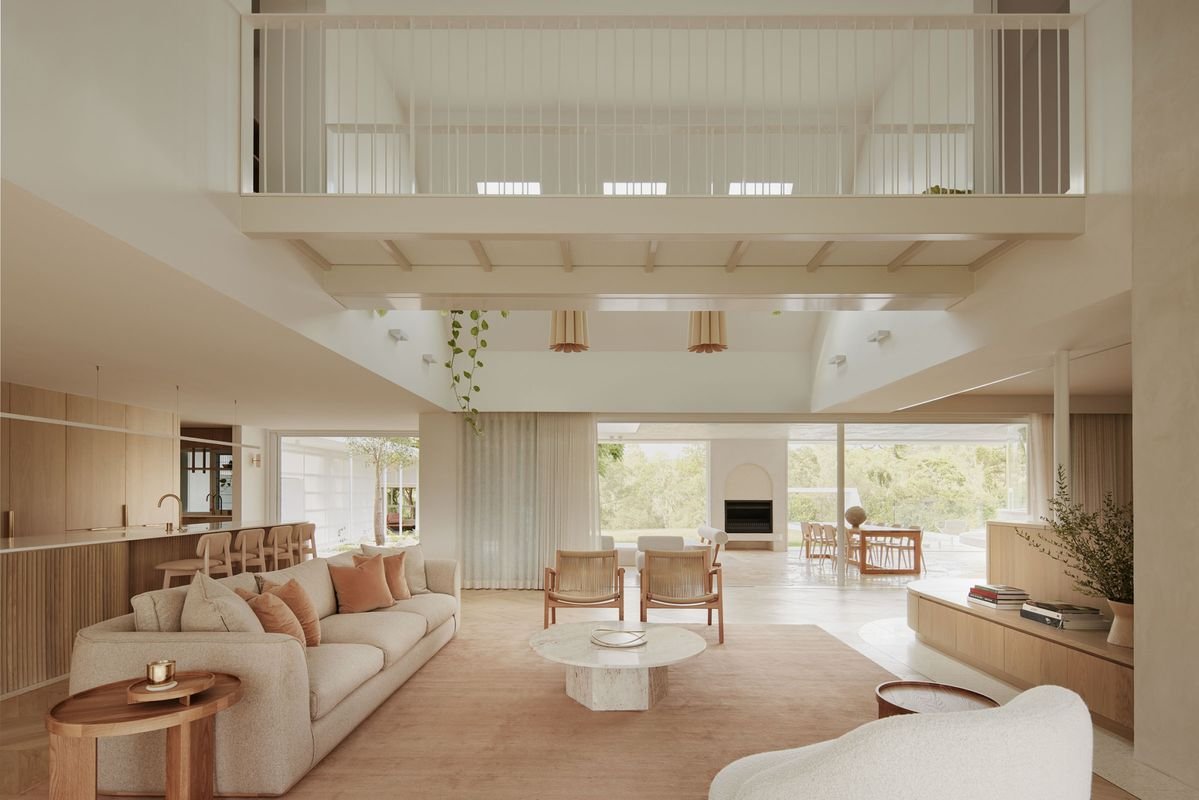
Queenslander homes are among Brisbane's most beloved architectural treasures. These iconic high-set timber homes, built predominantly between the 1840s and 1960s, represent a unique response to Queensland's subtropical climate and remain highly sought after by homeowners across Southeast Queensland. However, bringing these heritage properties into modern living often requires thoughtful renovation and interior design that respects their historical character while meeting contemporary lifestyle needs.
At Ode Interior, a Brisbane-based boutique interior design studio, we specialize in helping homeowners navigate the unique challenges and opportunities of renovating Queenslander homes. This comprehensive guide covers everything you need to know about interior design for Queenslander renovations in Brisbane.
Understanding Queenslander Architecture
Before embarking on a Queenslander renovation, it's essential to understand the defining features of these iconic Brisbane homes and why they were designed this way.
Key Architectural Features
Queenslander homes were purpose-built for subtropical living, incorporating design elements that maximize comfort in Brisbane's hot, humid climate. These features include high-set construction that elevates the main living areas above ground level for better airflow and flood protection, wide verandahs that provide shaded outdoor living spaces and protect interiors from intense sun, high ceilings (typically 10-12 feet) that allow hot air to rise and keep living spaces cooler, timber construction throughout using lightweight materials that respond to temperature changes, and vertical joint (VJ) tongue-and-groove wall panelling that became synonymous with Queenslander interiors.
These homes also feature generous windows and French doors that maximize cross-ventilation, decorative timber fretwork and lattice details, and steep-pitched tin roofs that shed heavy rain efficiently. Understanding these original design intentions helps inform interior design decisions during renovation.
Why Queenslander Homes Need Thoughtful Interior Design
Many Queenslander homes in Brisbane have undergone poorly conceived renovations over the decades. Common issues include enclosed verandahs that block airflow and natural light, awkward room configurations that don't suit modern living, outdated kitchens and bathrooms that need complete redesign, lack of insulation making homes uncomfortable in extreme temperatures, and compromised heritage features through insensitive alterations.
Professional interior design for Queenslander renovations addresses these issues while celebrating the home's original character. At Ode Interior, we approach Queenslander projects with respect for their architectural heritage while bringing contemporary design thinking to create homes that feel authentic yet thoroughly modern.
Interior Design Considerations for Queenslander Renovations
1. Preserving Heritage Character
The most successful Queenslander renovations balance preservation with modernization. Key heritage elements worth preserving and celebrating include original VJ wall panelling (often found throughout interiors), decorative timber fretwork around doorways and verandahs, French doors with original hardware, timber floors (usually beautiful hardwood beneath old carpet), high ceilings and their ornate cornices, and original window joinery and shutters.
Interior designers experienced in Brisbane Queenslander renovations know which elements to preserve, how to restore damaged heritage features, and when reproduction elements are more practical than preservation. At Ode Interior, we guide homeowners through these decisions, ensuring renovations enhance rather than diminish their property's heritage value.
2. Creating Modern, Functional Layouts
Original Queenslander floor plans often don't align with contemporary living. Interior design for these homes typically involves reimagining spatial arrangements while respecting the building's bones.
Common layout improvements include opening the traditional three-room layout (sitting, dining, sleep-out) into more connected living spaces, relocating kitchens from dark rear positions to more central, light-filled locations, adding ensuites to primary bedrooms (often requiring creative space planning), creating open-plan kitchen and living areas that maintain connection to outdoor spaces, and repurposing underutilized verandahs into functional rooms while maintaining airflow.
Brisbane interior designers familiar with Queenslander renovations understand council regulations around heritage properties, structural limitations of timber construction, and how to maintain the home's character while creating contemporary floor plans.
3. Kitchen Design for Queenslander Homes
Kitchens are often the most dramatically transformed space in Queenslander renovations. Original kitchens were typically small, dark rooms located at the rear of the house. Modern Brisbane families need kitchens that are spacious, well-lit, and connected to living and outdoor spaces.
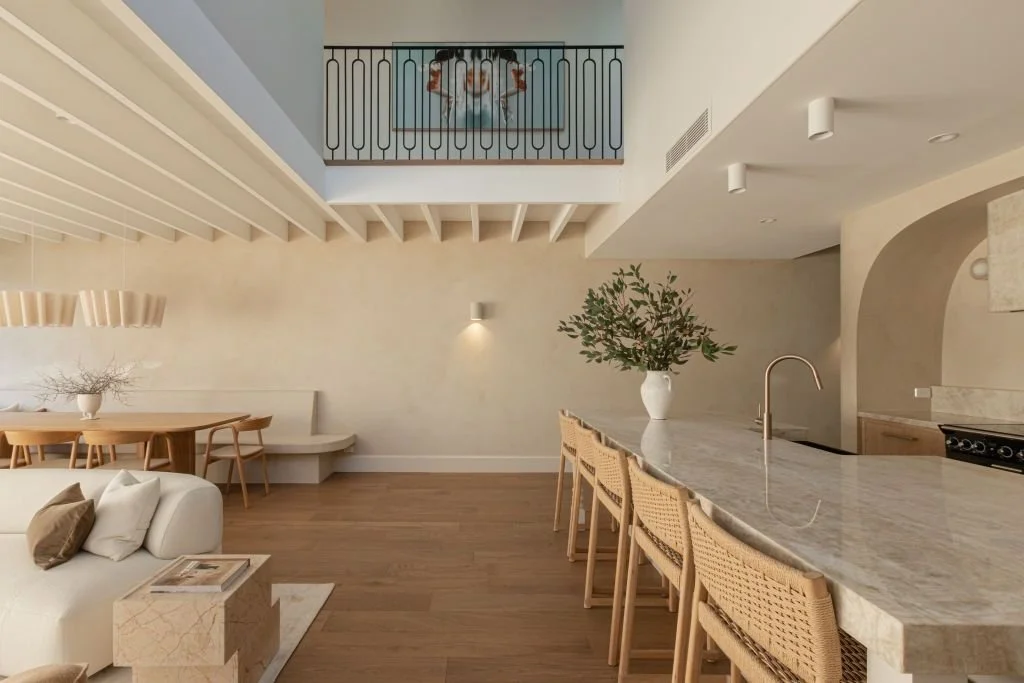
Interior design approaches for Queenslander kitchens include creating open-plan kitchens that connect to dining and living areas, incorporating large islands that provide prep space, storage, and casual dining, designing butler's pantries or sculleries that hide working mess, selecting materials that complement heritage character (think natural stone, timber, and traditional profiles), and ensuring kitchens open to outdoor entertaining areas through French doors or bi-folds.
At Ode Interior, we design Queenslander kitchens that feel appropriate to the home's age and character while delivering all the functionality Brisbane homeowners expect. This might mean custom timber cabinetry with traditional detailing, natural stone benchtops, and period-appropriate fixtures combined with modern appliances and smart storage solutions.
4. Bathroom Design Respecting Heritage
Bathrooms in original Queenslanders were often basic and poorly located. Modern renovations typically involve complete bathroom redesigns.
Interior design considerations for Queenslander bathrooms include incorporating ensuites where none existed (often through clever space planning), using materials that feel period-appropriate while being practical (marble, subway tiles, VJ panelling), selecting fixtures that nod to heritage aesthetics (freestanding baths, traditional tapware), maintaining high ceilings and large windows where possible for light and ventilation, and creating spa-like bathrooms that feel luxurious yet authentic to the home's character.
Brisbane interior designers experienced in heritage homes understand how to create bathrooms that feel like they've always been part of the house while meeting contemporary expectations for comfort and style.
5. Material Selection for Subtropical Climate
Material selection for Queenslander interiors must consider Brisbane's subtropical climate. Not all materials perform well in humidity and temperature fluctuations.
Recommended materials for Brisbane Queenslander renovations include engineered timber flooring (more stable than solid timber in humidity), natural stone that stays cool and handles moisture well, moisture-resistant paint finishes, breathable natural fabrics for soft furnishings, and quality timber joinery using species that handle Brisbane's climate.
Interior designers in Brisbane have extensive experience specifying materials that will perform well in Southeast Queensland conditions while achieving the desired aesthetic for heritage home renovations.
6. Color Palettes for Queenslander Interiors
Interior color schemes for Queenslander homes should enhance their architectural features while creating inviting, liveable spaces.
Traditional Queenslander color palettes often featured darker, richer colors on walls with white ceilings and trim. Contemporary interior design for these homes tends toward lighter, more neutral schemes that maximize natural light while still feeling appropriate to the home's period.
Popular color approaches for Brisbane Queenslander interiors include warm whites and soft creams that work with VJ panelling, earthy neutrals (greige, warm grey, soft beige) that create calm, sophisticated spaces, nature-inspired accent colors (sage green, terracotta, warm ochre) that connect to Queensland's landscape, and monochromatic layering that creates depth without overwhelming heritage features.
At Ode Interior, we develop color palettes for Queenslander renovations that feel timeless, enhance the home's natural light, and create warm, inviting spaces suited to Brisbane living.
Common Queenslander Renovation Projects
Raising and Building Under
One of the most popular Queenslander renovation approaches involves raising the existing house and building in underneath, effectively doubling the home's footprint. This creates valuable ground-level space for additional bedrooms, bathrooms, living areas, garages, and storage.
Interior design considerations for raise-and-build-under projects include ensuring visual and functional connection between upper and lower levels, designing ground floor spaces that feel integrated with the original home above, selecting materials and finishes that complement the heritage character, creating separate living zones that can function independently, and incorporating natural light into lower levels (which can be challenging).
These significant renovations require coordination between architects, interior designers, and builders experienced in Queenslander construction. At Ode Interior, we work as part of the design team to ensure interior spaces across both levels feel cohesive and thoughtfully planned.
Rear Extensions and Outdoor Rooms
Extending Queenslander homes toward the rear is another common renovation approach. This typically involves adding modern living spaces that connect seamlessly to outdoor entertaining areas.
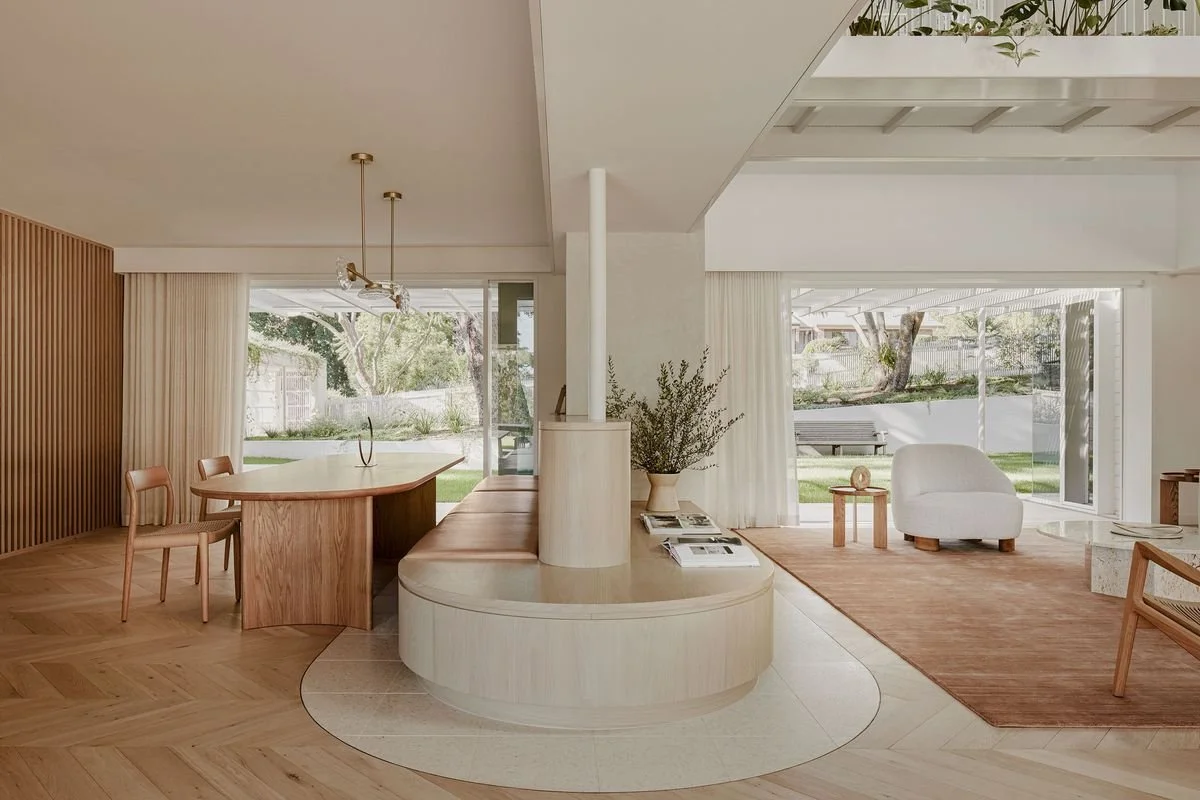
Interior design for Queenslander rear extensions focuses on creating contemporary open-plan living spaces that contrast yet complement the original home's character, seamless indoor-outdoor transitions through bi-fold or stacking doors, consistent flooring materials that flow from inside to outside, outdoor rooms and covered decks that extend living space, and maintaining sight lines and connection to the original house.
Brisbane's climate makes outdoor living spaces particularly valuable. Interior designers experienced in Southeast Queensland design know how to create these transitions effectively.
Restoring Original Features
Some Queenslander renovations focus primarily on restoration—bringing damaged or modified heritage features back to their original glory.
This might include stripping and refinishing original timber floors, restoring or reproducing VJ wall panelling, repairing or replacing damaged fretwork, refurbishing original windows and French doors, restoring decorative plasterwork and cornices, and returning enclosed verandahs to their original open configuration.
Interior designers working on restoration projects need understanding of heritage building techniques, access to skilled craftspeople who can reproduce period details, and knowledge of appropriate materials and finishes for authentic restoration.
Working with Interior Designers on Queenslander Renovations
Why You Need Professional Interior Design
Queenslander renovations present unique challenges that benefit enormously from professional interior design expertise. Interior designers bring understanding of heritage architecture and how to work respectfully with it, knowledge of Brisbane's climate and appropriate material selection, experience creating functional modern layouts within heritage constraints, relationships with skilled trades who specialize in heritage construction, and ability to navigate council regulations regarding character homes.
At Ode Interior, we've worked on numerous heritage properties across Brisbane and Southeast Queensland. We understand the specific challenges these homes present and how to create interior designs that honor their past while supporting contemporary living.
Questions to Ask Interior Designers
When interviewing Brisbane interior designers for your Queenslander renovation, ask about their experience with heritage homes and Queenslander renovations specifically, their approach to balancing heritage preservation with modern functionality, examples of similar projects they've completed, their relationships with heritage-specialist trades and suppliers, and their process for obtaining necessary approvals for heritage properties.
At Ode Interior, we're transparent about our experience, process, and approach to heritage home interior design, ensuring clients feel confident we understand their project's unique requirements.
The Interior Design Process for Queenslander Renovations
Professional interior design for Queenslander renovations typically follows these stages:
Initial consultation and site assessment where the designer visits your property, understands its current condition, discusses your vision, and identifies opportunities and constraints. Concept development where the designer creates design concepts showing how spaces could be reconfigured, what heritage elements to preserve, and the overall aesthetic direction. Design development where selected concepts are refined into detailed designs including floor plans, elevations, material selections, and fixture specifications. Documentation where comprehensive drawings and specifications are prepared for council approval and builder pricing. Implementation support where the designer works with your builder throughout construction, managing selections, solving problems, and ensuring the design is executed properly. Styling and completion where the designer sources furniture, oversees final styling, and ensures your Queenslander renovation is complete and ready to live in.
This structured process ensures nothing is overlooked and your Queenslander renovation achieves the best possible outcome.
Brisbane Suburbs with Queenslander Homes
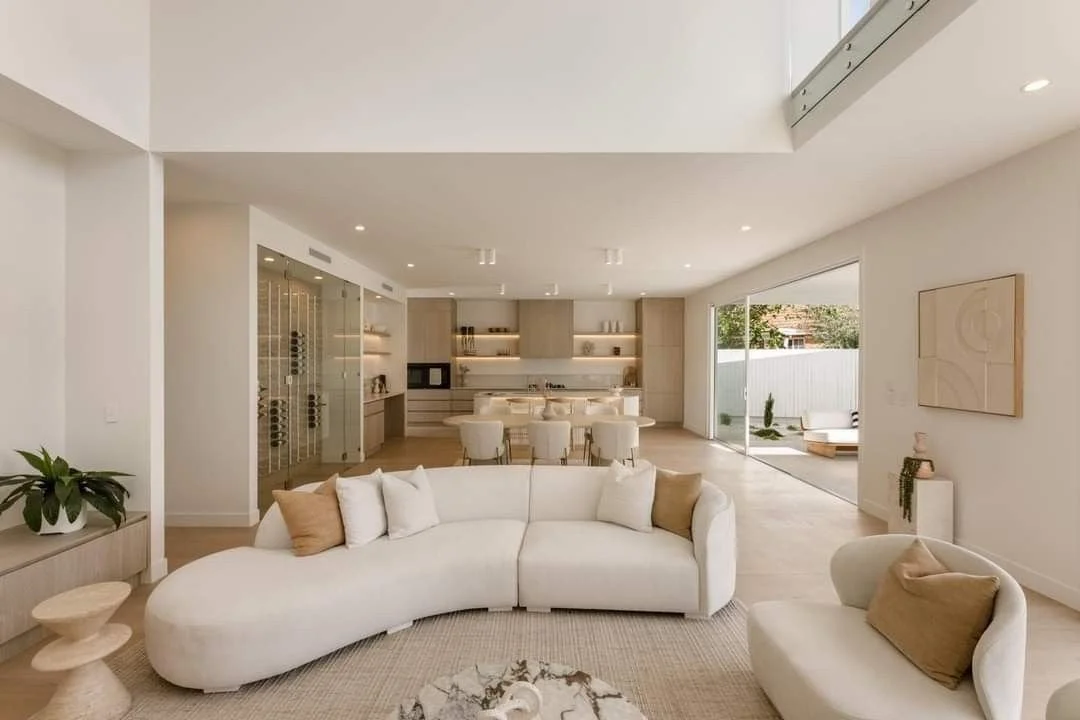
Queenslander homes are found throughout Brisbane, but certain suburbs have particularly high concentrations of well-preserved examples. Popular Brisbane suburbs for Queenslander renovations include Paddington, known for its charming workers' cottages and larger Queenslanders; New Farm, with grand Queenslanders and river views; Bulimba, featuring family-sized Queenslanders with generous yards; West End, offering character homes close to the city; Ashgrove, with leafy streets and beautiful examples of the style; Clayfield, featuring substantial Queenslanders on large blocks; Coorparoo, with diverse heritage housing stock; and Highgate Hill, offering elevated Queenslanders with city views.
Interior designers based in Brisbane have extensive experience working across these suburbs and understand the specific characteristics and opportunities different locations present.
Cost Considerations for Queenslander Interior Design
Queenslander renovations can vary enormously in cost depending on scope, finishes, and the home's current condition. Understanding budget implications helps set realistic expectations.
Budget considerations include heritage restoration work (often more expensive than working with newer homes), structural work if raising or significantly altering the building, complete kitchen and bathroom renovations, high-quality materials that suit heritage character and Brisbane's climate, skilled trades experienced in heritage construction, and council fees and heritage approvals.
Interior designers help clients maximize their renovation budget through strategic planning, appropriate material specification, avoiding costly mistakes, and access to trade pricing on furniture and fixtures. At Ode Interior, we work transparently with clients about budgets, providing realistic cost guidance and helping prioritize spending for the best overall outcome.
Sustainability in Queenslander Renovations
Original Queenslander design incorporated many passive sustainability principles—natural ventilation, shading, and materials suited to the climate. Contemporary renovations can build on these foundations.
Sustainable approaches to Queenslander interior design include maximizing cross-ventilation to reduce air conditioning needs, installing appropriate insulation in walls, floors, and ceilings, selecting energy-efficient windows and doors, incorporating solar panels where appropriate, choosing sustainable and locally-sourced materials, designing for longevity with quality materials and timeless design, and retaining and restoring existing materials rather than replacing unnecessarily.
Brisbane interior designers committed to sustainability can help ensure your Queenslander renovation minimizes environmental impact while creating a more comfortable, efficient home.
Ode Interior's Approach to Queenslander Renovations
At Ode Interior, we approach Queenslander renovations with deep respect for these iconic Brisbane homes combined with contemporary design thinking that creates spaces suited to modern living.
Our interior design process for Queenslander projects begins with understanding your home's history, character, and architectural significance. We identify which heritage elements deserve preservation and celebration, and which aspects need reimagining for contemporary life.
We create interior designs that feel authentic to the home's period while incorporating modern comfort and functionality. This might mean designing a new kitchen with traditional cabinetry profiles and period-appropriate fixtures combined with contemporary appliances and stone benchtops, or creating an ensuite that feels like it could have always been part of the house while delivering spa-like luxury.
We select materials that will perform well in Brisbane's subtropical climate while achieving the aesthetic appropriate for heritage homes. We work with skilled Brisbane trades who understand heritage construction and can execute detailed joinery and restoration work to high standards.
Throughout the process, we manage the complex coordination required for heritage renovations, liaising with councils, heritage advisors, architects, and builders to ensure your project proceeds smoothly and achieves the outcome you're dreaming of.
Creating Your Dream Queenslander
Renovating a Queenslander home in Brisbane is an opportunity to create something truly special—a home that honors Brisbane's architectural heritage while supporting contemporary family living. Success requires thoughtful interior design that understands these homes' unique character and challenges.
Whether you're planning a complete transformation, a sympathetic restoration, or anything in between, working with interior designers experienced in Queenslander renovations ensures the best outcome. At Ode Interior, we bring expertise in heritage homes, deep knowledge of Brisbane's climate and lifestyle, and commitment to creating warm, liveable spaces that feel authentically Queenslander yet thoroughly modern.
If you're considering a Queenslander renovation in Brisbane or Southeast Queensland, we invite you to book a consultation with Ode Interior to discuss your project and how we can help bring your vision to life.
